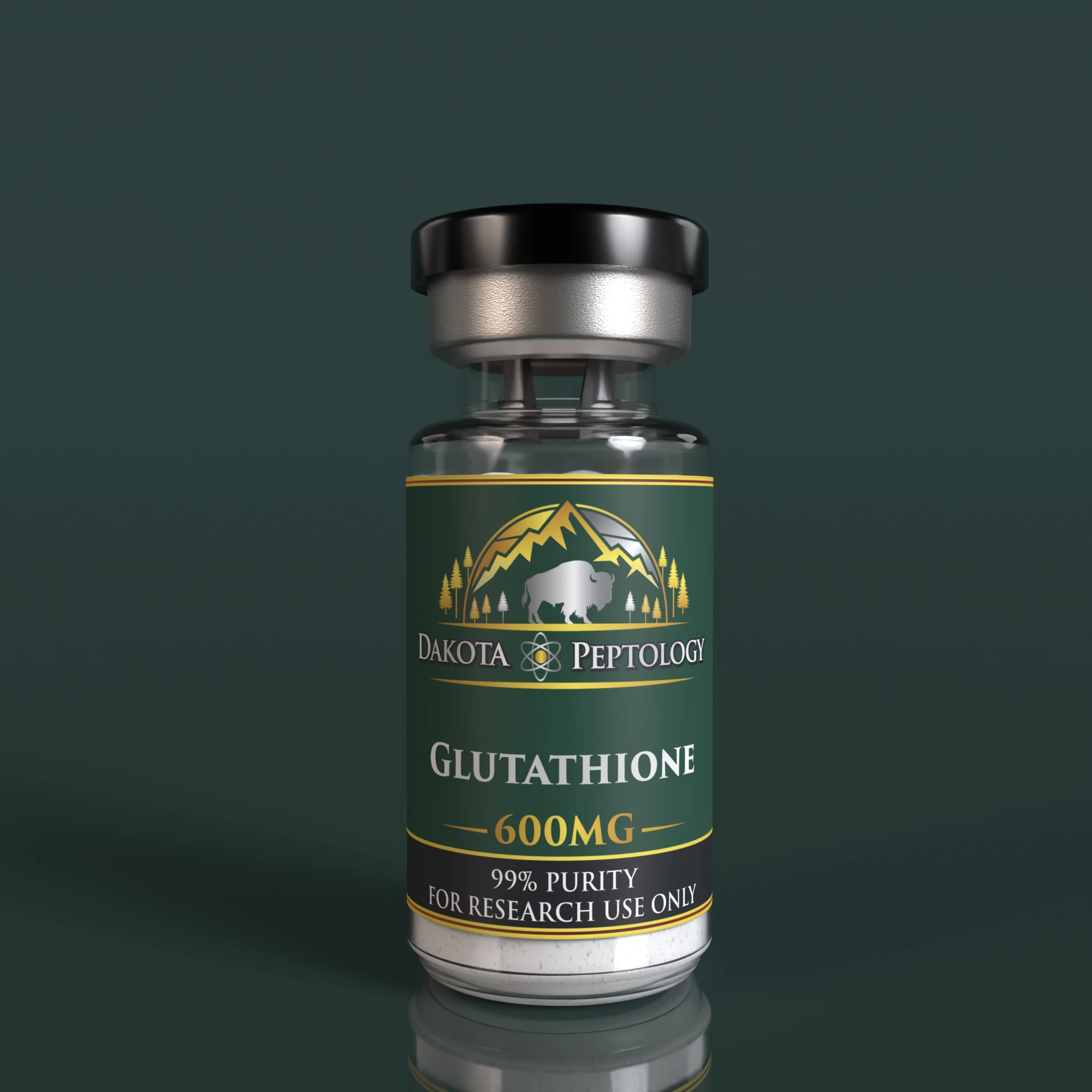
Glutathione
Glutathione is a naturally occurring tripeptide composed of the amino acids glutamate, cysteine, and glycine. As a critical endogenous antioxidant, it plays a pivotal role in cellular detoxification processes, metabolic regulation, and immune function. Within the realm of scientific inquiry, glutathione has been extensively studied for its potential implications in research applications, particularly in areas such as cellular viability, oxidative stress mitigation, and biochemical experimentation.
Research Context
Glutathione is a fundamental component in numerous biochemical pathways, including glutathione peroxidase activity, glutathione reductase cycling, and glutathione-S-transferase-mediated detoxification reactions. Its presence in various biological matrices—including blood, tissue extracts, and synthetic peptide formulations—makes it a valuable compound for research studies. Investigations in the laboratory often explore glutathione’s role in modulating oxidative stress, its interaction with other biomolecules, and its effects on cellular models under controlled experimental conditions.
Research Overview
As a research-use-only peptide, glutathione is frequently utilized in biochemical assays, molecular biology experiments, and biochemical characterization studies. Its antioxidant properties have been studied in relation to the preservation of cellular integrity, protection against oxidative damage, and enhancement of experimental conditions in vitro. Research applications may also include its use in the study of metabolic pathways, protein synthesis, and enzyme kinetics, where its endogenous function as a redox buffer is critical.
Key Research Focus Areas
- Oxidative Stress and Antioxidant Activity: Investigations into glutathione’s role in neutralizing reactive oxygen species (ROS) and its impact on cellular resistance to oxidative damage in model systems.
- Metabolic Regulation and Detoxification Pathways: Examination of glutathione’s involvement in hepatic and extracellular detoxification mechanisms, including its interaction with glutathione-S-transferase enzymes.
- Cellular Viability and Proliferation: Study of glutathione’s effects on cell cycle progression, apoptosis, and viability in cultured cell lines, particularly under conditions of induced oxidative stress.
- Biochemical Characterization and Purification: Development and validation of methods for the isolation, synthesis, and quantification of glutathione, including its use in protein assays and redox-state studies.
- Interactions with Other Biomolecules: Analysis of glutathione’s binding affinities with nucleic acids, lipids, and proteins, as well as its role in protein folding and chaperone-mediated processes.
For research use only. Not for human or animal consumption.
📚 Peer-Reviewed Study
Glutathione as a Central Antioxidant in Oxidative Stress and Cellular Defense
▼
Introduction to Glutathione
Glutathione is a naturally occurring tripeptide composed of glutamine, cysteine, and glycine, and is widely recognized as one of the most important intracellular antioxidants.
It plays a critical role in neutralizing reactive oxygen species (ROS), maintaining redox balance, and supporting cellular detoxification processes.
Research Objective
The objective of this research was to evaluate the role of glutathione in oxidative stress regulation, immune response, and cellular protection.
Studies also investigated how glutathione levels influence disease progression and overall cellular health.
Study Design and Methodology
Research included both clinical and preclinical studies assessing glutathione levels in various physiological and pathological conditions.
Measurements focused on oxidative stress markers, immune function, detoxification capacity, and mitochondrial activity.
Key Findings — Antioxidant and Cellular Protection
Glutathione was shown to play a central role in protecting cells from oxidative damage by neutralizing free radicals and reactive oxygen species.
Reduced glutathione levels were associated with increased oxidative stress and cellular dysfunction across multiple biological systems.
Mechanisms of Action
Glutathione functions through direct scavenging of reactive species and as a cofactor for antioxidant enzymes such as glutathione peroxidase.
It also participates in detoxification by conjugating with harmful compounds, facilitating their removal from cells.
Implications for Cellular and Metabolic Research
Glutathione is considered a key biomarker and regulator of oxidative stress, with implications in aging, immune function, and metabolic health.
Ongoing research explores its role in mitochondrial function, inflammation, and chronic disease mechanisms.
Conclusion
Glutathione plays a fundamental role in maintaining cellular redox balance and protecting against oxidative damage.
Its widespread involvement in cellular processes makes it a central focus in biochemical and medical research.
Frequently Asked Questions (FAQ)
What is glutathione?
Glutathione is a tripeptide antioxidant composed of glutamine, cysteine, and glycine, essential for cellular defense.
What does glutathione do in the body?
It neutralizes oxidative stress, supports detoxification, and maintains cellular redox balance.
Why is glutathione important?
It protects cells from damage caused by free radicals and is essential for immune and metabolic function.
How is glutathione studied?
It is studied through biochemical assays measuring oxidative stress markers, antioxidant activity, and cellular function.
What happens when glutathione levels are low?
Low levels are associated with increased oxidative stress, inflammation, and cellular dysfunction.
Can these findings be generalized?
Findings are based on a wide range of studies and should be interpreted within a research and scientific context.