Retatrutide Research Peptide
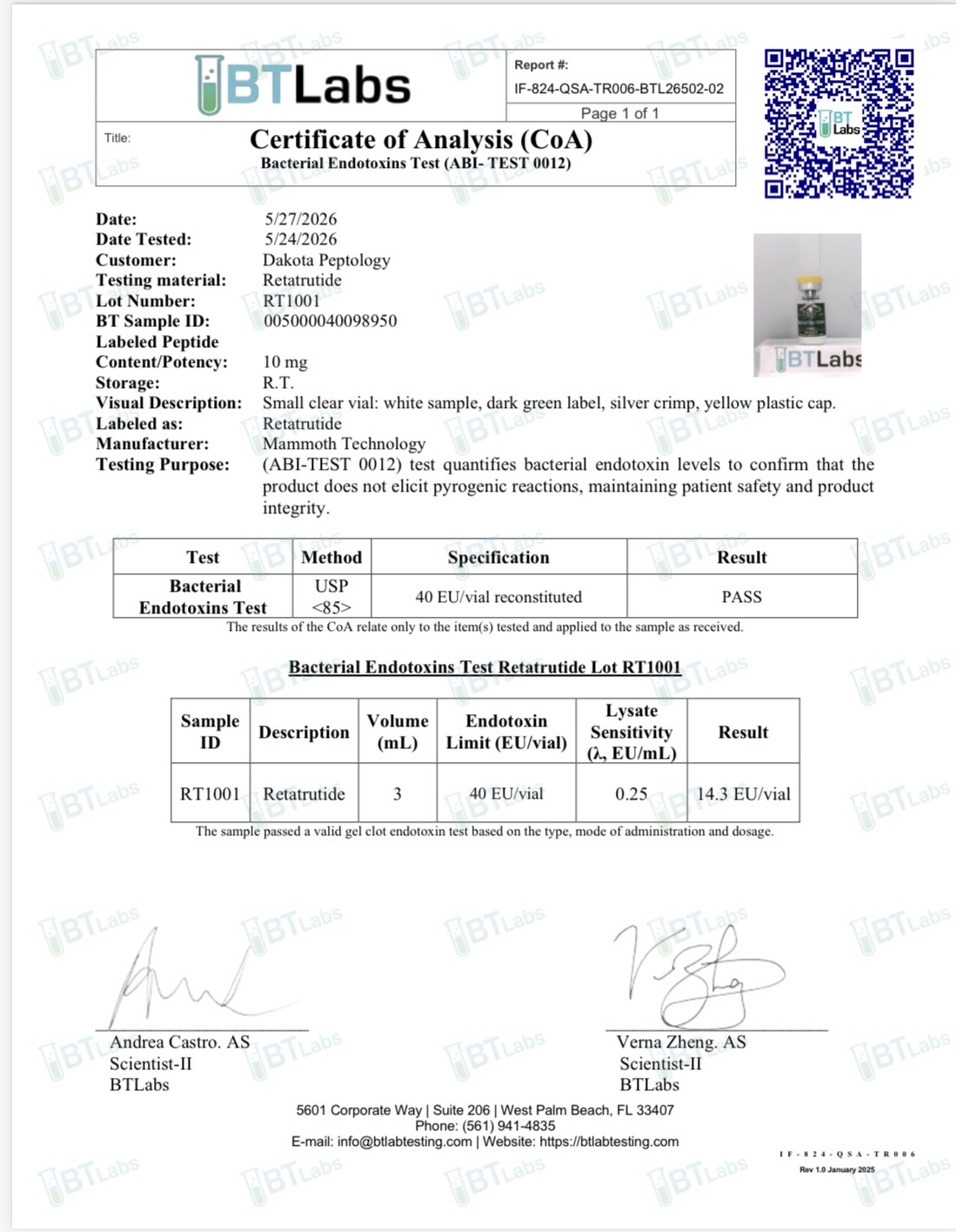
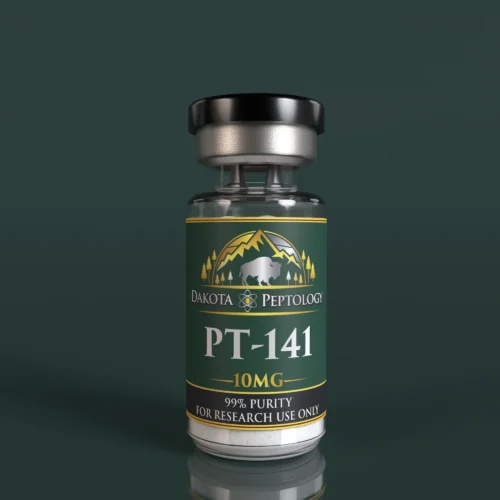
Retatrutide Research Peptide is available in 5mg, 10mg, and 20mg strengths from Dakota Peptology. Every product is third-party tested, features 99%+ purity, and includes transparent COAs for research purposes.
Retatrutide
Retatrutide is a novel peptide-based research compound under investigation in preclinical and early-stage clinical studies for its potential metabolic and therapeutic effects. This compound is being explored in research settings for its potential impact on conditions associated with energy metabolism, insulin sensitivity, and body composition. Below is a detailed overview of its research context and key scientific focus areas.
Retatrutide Research Peptide Context
Retatrutide is a multifunctional peptide derived from the natural human peptide GLP-1/GLP-2/GIP receptor agonist, targeting a broader spectrum of metabolic pathways compared to traditional single-receptor agonists. Its development is driven by the growing body of evidence linking receptor co-activation to enhanced therapeutic efficacy in the management of conditions such as obesity, type 2 diabetes, and metabolic dysfunction. Research involving this compound is primarily conducted in controlled laboratory, animal, and early-phase human studies to evaluate its mechanisms of action, safety profile, and potential therapeutic applications.
Retatrutide Research Peptide Overview
Retatrutide has been investigated in preclinical models for its potential to improve insulin sensitivity, reduce body weight, and modulate gastrointestinal functions. The dual targeting of GLP-1/GLP-2 and GIP receptors is hypothesized to enhance satiety, regulate glucose metabolism, and support tissue repair in metabolic disorders. Studies have explored its effects on pancreatic beta-cell function, lipid metabolism, and inflammatory pathways, with particular emphasis on its ability to restore metabolic homeostasis. Early findings suggest promising effects on body composition, including reductions in visceral fat accumulation, though further research is required to fully elucidate its long-term safety and efficacy.
Key Research Focus Areas
- Metabolic Regulation: Evaluation of effects on glucose homeostasis, insulin sensitivity, and glycemic control through co-activation of GLP-1, GLP-2, and GIP receptors.
- Body Composition: Investigation of weight loss, fat mass reduction, and muscle preservation potential in preclinical and early-phase clinical studies.
- Gastrointestinal Function: Assessment of appetite suppression, gastric emptying rates, and enteric motility effects as part of its mechanism of action.
- Inflammatory and Endocrine Pathways: Exploration of anti-inflammatory effects and modulation of hormonal balance in metabolic disorders.
- Safety and Toxicology: Comprehensive toxicology studies to evaluate acute and chronic effects, including cardiovascular, renal, and pancreatic safety profiles.
Important Compliance and Safety Statement
This compound is intended solely for research use in accredited academic, pharmaceutical, or biotech institutions. It must be handled with the utmost care in accordance with institutional biosafety protocols. Retatrutide is not approved for human or animal therapeutic, diagnostic, or cosmetic purposes. Unauthorized distribution, possession, or use is strictly prohibited by law and may constitute a violation of regulatory requirements. For research use only. Not for human or animal consumption.
📚 Peer-Reviewed Study
Retatrutide: Triple Hormone Receptor Agonism and Effects on Body Weight and Metabolic Function
▼
Introduction to Retatrutide
Retatrutide is a novel synthetic peptide designed as a triple agonist targeting glucagon, GLP-1 (glucagon-like peptide-1), and GIP (glucose-dependent insulinotropic polypeptide) receptors.
This multi-receptor approach is intended to enhance metabolic regulation by combining appetite suppression, energy expenditure, and glucose control within a single compound.
Retatrutide Research Objective
The objective of this clinical research was to evaluate the safety, tolerability, and efficacy of retatrutide in reducing body weight and improving metabolic markers in adults with obesity or overweight.
Investigators also examined its effects on cardiovascular risk factors and overall metabolic health.
Retatrutide research Peptide Study Design and Methodology
In a phase 2 randomized, double-blind, placebo-controlled trial, participants received once-weekly subcutaneous injections of retatrutide at varying dose levels.
The study evaluated outcomes over a 48-week period, including changes in body weight, waist circumference, glycemic markers, and lipid profiles.
Retatrutide Research Peptide Key Findings — Weight Reduction and Body Composition
Retatrutide demonstrated substantial reductions in body weight across multiple dose groups, with higher doses producing greater effects.
Participants also showed decreases in waist circumference and improvements in overall body composition, indicating a reduction in adipose tissue.
Retatrutide Metabolic and Cardiovascular Effects
Treatment with retatrutide was associated with improvements in blood glucose control, lipid markers, and blood pressure.
These changes suggest a broad metabolic impact, extending beyond weight reduction to include cardiovascular risk factor modulation.
Retatrutide Mechanisms of Action
Retatrutide research peptide activates GLP-1 and GIP receptors to enhance insulin secretion and reduce appetite, while glucagon receptor activation contributes to increased energy expenditure.
This triple agonist mechanism creates a synergistic effect on energy balance, combining reduced caloric intake with increased metabolic activity.
Implications for Metabolic Research
Retatrutide represents a next-generation approach in peptide-based metabolic research, expanding beyond dual agonists to include triple hormonal targeting.
Ongoing studies are exploring its long-term effects and potential applications in obesity, type 2 diabetes, and related metabolic disorders.
Conclusion
Retatrutide has demonstrated significant reductions in body weight and improvements in metabolic parameters in controlled clinical studies.
Its triple receptor agonist activity distinguishes it as a promising candidate in ongoing metabolic and obesity research.
Frequently Asked Questions (FAQ)
What is retatrutide?
Retatrutide is a synthetic peptide that acts as a triple agonist of GLP-1, GIP, and glucagon receptors.
How does retatrutide work?
It reduces appetite, improves insulin secretion, and increases energy expenditure through multi-hormonal receptor activation.
What were the main outcomes in studies?
Studies showed significant reductions in body weight, improved glucose control, and better cardiovascular risk markers.
How is retatrutide administered?
It is typically administered as a once-weekly subcutaneous injection in clinical studies.
What makes retatrutide different from other peptides?
Unlike single or dual agonists, it targets three metabolic pathways simultaneously, enhancing its overall metabolic impact.
Can these findings be applied to humans broadly?
These findings are based on controlled clinical trials and should be interpreted within a research context.